SELL FAST, SELL HIGH: THE MAGIC OF PROFESSIONAL STAGING
Understanding Home Staging: Why It Matters More Than Ever
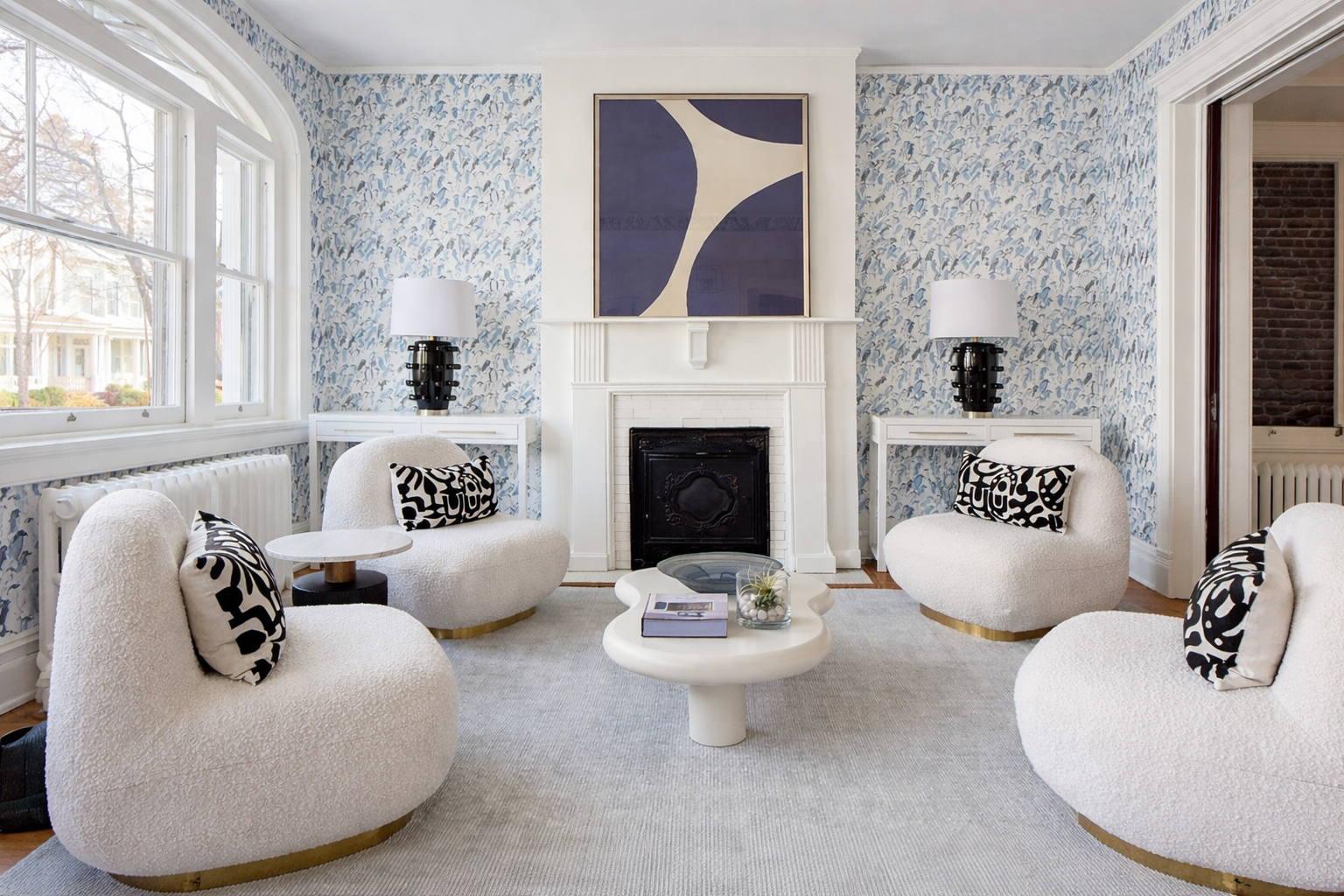
Originally used to showcase luxury estates, home staging has evolved into a powerful strategy that helps sell homes of all price ranges—especially when combined with smart, competitive pricing. Yet surprisingly, many homeowners still hesitate to invest in staging, even in strong buyer’s markets. Why?
Often, it comes down to misunderstanding its value.
While home staging is regularly featured on real estate shows on HGTV, many sellers still turn to friends for validation instead of trusting their real estate agent’s professional advice. Friends rarely point out clutter, outdated décor, or worn finishes—just like they might avoid criticizing a questionable outfit choice. Sellers may feel uncomfortable spending money on improvements they won’t personally enjoy. It can feel like paying for someone else’s dinner.
But once a home is listed, it becomes a product. And products need effective pricing, presentation, and marketing to stand out.
Let’s explore what home staging really is—and why it works.
What Is Home Staging?
Home staging is the strategic preparation of a property to make it more appealing to the widest possible pool of buyers. It blends real estate insight, design principles, and marketing psychology to create a space buyers can emotionally connect with.
Unlike interior decorating, which reflects personal taste, staging focuses on universal appeal.
Key Elements of Home Staging
1. Decluttering
Removing excess furniture, décor, and personal belongings creates openness and improves flow. Buyers want to see space—not stuff.
2. Depersonalizing
Family photos, collectibles, and bold personal style choices are removed so buyers can picture their own lives unfolding in the space.
3. Updating
Modern paint colors, updated hardware, and refreshed finishes prevent a home from feeling stuck in a specific era.
4. Neutralizing
Neutral palettes allow buyers to imagine different decorating styles easily. Soft grays, whites, and warm beiges dominate today’s staged homes.
5. Styling
Furniture is arranged to highlight architectural features, maximize space, and improve traffic flow. Lighting and accessories create warmth and balance.
Types of Home Staging
Occupied Home Staging
This involves refining the seller’s existing furnishings. A professional stager rearranges furniture, removes clutter, and enhances focal points to improve flow and appeal.
Vacant Home Staging
Empty homes often feel cold and smaller than they are. Furniture rental and décor help buyers understand room dimensions and functionality.
Exterior Staging (Curb Appeal)
Staging doesn’t stop at the front door. Exterior improvements may include:
Trimming shrubs and trees
Refreshing garden beds
Power washing surfaces
Adding potted plants
Updating house numbers or mailboxes
Repainting trim or doors
First impressions matter, and curb appeal sets the tone before buyers even step inside.
5 Powerful Ways Staging Benefits Home Sellers
1. Faster Sales at Higher Prices
According to the Real Estate Staging Association, well-priced staged homes sell approximately four times faster than similar unstaged properties. Homes that sat on the market for 90 days and were then staged sold within an average of 42 days.
The longer a home sits, the more likely sellers are to reduce the price. Staging reduces time on market and helps protect equity.
2. Stronger Online Appeal
More than 90% of buyers begin their search online. Listings with bright, well-staged photos receive more clicks and more showing requests.
Staged homes photograph better. Clean lines, balanced lighting, and neutral colors draw buyers in immediately.
3. Move-In Ready Impression
Buyers perceive staged homes as well-maintained and turnkey. Updated finishes signal that major expenses won’t be required immediately after purchase.
Many buyers value convenience. Staging communicates readiness.
4. Preservation of Property Value
Staging identifies minor repairs or cosmetic updates before an appraiser does. Replacing outdated fixtures with modern, energy-efficient alternatives can help maintain value.
Small improvements now can prevent bigger financial consequences later.
5. Bridging the Generational Gap
The average first-time buyer is around 38 years old, while the average seller is closer to 63. That difference often translates into different design preferences and lifestyle expectations.
Professional staging speaks the visual language of today’s buyers—clean, open, and functional—while helping sellers present their homes in a way that resonates across generations.
Choosing the Right Staging Services
Not every seller needs full-service staging. Options include:
Professional Consultation
A stager evaluates the home and provides a detailed improvement plan. Costs typically range from $300 to $600.
Virtual Staging
Digital furniture is added to listing photos. While budget-friendly, it may create unrealistic expectations and does not address physical condition issues.
Targeted Staging
Focused on high-impact rooms such as the living room, kitchen, and primary bedroom. Often offered as a flat fee.
Full-Service Staging
Comprehensive transformation across the entire property. Ideal for vacant homes or outdated interiors. Installation costs typically range from $2,500 to $7,500, with additional room charges between $500 and $1,000.
You can explore more insights on staging statistics via this external resource from Realtor.com:
https://www.realtor.com/advice/sell/home-staging-cost/
How Much Does Home Staging Cost?
Costs depend on: More on home staging cost HERE
Home size
Property condition
Rental furniture needs
Service level selected
While staging is an upfront investment, it often prevents price reductions that exceed staging costs.
It should be viewed as strategic marketing rather than simple decoration.
No more excuses. We are offering pay at close options exclusively for our clients. Learn more about Pay at close HERE

Frequently Asked Questions (FAQs)
1. Is home staging worth it in a seller’s market?
Yes. Even in strong markets, staged homes often sell faster and with stronger offers because they stand out online.
2. Can I stage my home myself?
You can handle decluttering and cleaning, but professionals bring trained eyes and buyer psychology expertise.
3. Does staging really increase sale price?
While not guaranteed, staged homes often receive better offers and avoid price reductions caused by prolonged listings.
4. How long does staging take?
Consultations take a few hours. Full-service staging installations typically take one to three days.
5. Is virtual staging misleading?
It can be if unrealistic enhancements are shown. Transparency is essential to managing buyer expectations.
6. What rooms should I prioritize if on a budget?
Focus on the living room, kitchen, and primary bedroom, as these spaces influence buying decisions the most.
Final Thoughts: Presentation Is Strategic
Selling a home is both financial and emotional. Once listed, it becomes a product competing with others in the marketplace.
Home staging is not about changing your style. It is about presenting the property in a way that maximizes its appeal and value. It enhances perception, increases engagement, and shortens time on market.
When buyers walk through a thoughtfully staged home, they do not just see walls and floors. They see possibility. And that difference can significantly impact the outcome of a sale.
Want to learn even more? https://www.johnathanhmiller.com/post/seller-positioning-strategy-homes-leave-10-percent